Home security is evolving faster than ever. With rapid technological advancements, the way we protect our homes has completely changed. Gone are the days when a simple lock and key were enough to secure a property. Today, homeowners want intelligent systems that offer convenience, remote access, and real-time protection.
As we move into 2026, smart home security systems are becoming an essential part of modern living. These systems combine artificial intelligence, automation, and advanced sensors to provide a safer and more connected lifestyle.
From AI-powered cameras to biometric door locks, the future of home security is smarter, faster, and more reliable.
In this article, we explore the top smart home security trends for 2026, helping homeowners understand the technologies shaping the future of safety.
Before diving into the trends, it’s important to understand why smart home security is gaining popularity worldwide.
Modern homeowners are looking for solutions that provide:
Remote monitoring
Real-time alerts
Easy installation
Integration with smart devices
Advanced threat detection
Smart security systems offer all these benefits while providing greater control and peace of mind.
According to industry analysts, the global smart home security market is expected to grow significantly by 2026 as more households adopt smart locks, cameras, and automated security solutions.
1. AI-Powered Security Cameras
Artificial intelligence is transforming home security in ways that were impossible just a few years ago.
Traditional CCTV cameras simply record footage. However, AI security cameras can now analyze activity in real time.
Key capabilities include:
Detecting suspicious movements
Identifying familiar faces
Recognizing packages or deliveries
Sending instant alerts for unusual activity
Instead of reviewing hours of footage, homeowners receive smart notifications only when something important happens.
AI cameras can also distinguish between humans, pets, and vehicles, reducing false alarms.
This makes them one of the most important smart home security trends for 2026.
Smart video doorbells have become extremely popular in recent years.
They allow homeowners to see, hear, and speak to visitors from anywhere using their smartphone.
Features of smart video doorbells:
HD video streaming
Two-way audio communication
Motion detection alerts
Package delivery monitoring
Night vision
These devices are particularly useful for monitoring deliveries, preventing theft, and screening visitors before opening the door.
As online shopping continues to grow, smart doorbells are becoming an essential part of modern home security.
6. Cloud-Based Security Monitoring
Traditional security systems stored footage locally on DVR devices. However, cloud technology has completely transformed data storage.
Modern smart security systems now store footage in secure cloud servers.
Advantages of cloud security:
Access footage from anywhere
No risk of local device damage
Secure backups
Easy sharing with authorities
Cloud systems also allow real-time monitoring, enabling homeowners to check their property from anywhere in the world.
This flexibility makes cloud-based monitoring one of the fastest-growing smart home security technologies.
7. Smart Sensors and Motion Detection
Smart sensors play a crucial role in modern home security systems.
These sensors can detect:
Motion
Door openings
Window tampering
Glass breaking
Smoke or fire
When triggered, they instantly send alerts to homeowners.
Advanced sensors can even differentiate between normal movement and potential threats, minimizing unnecessary alarms.
In 2026, smart sensors are becoming smaller, more accurate, and more affordable, making them accessible to a wider audience.
8. Remote Monitoring Through Mobile Apps
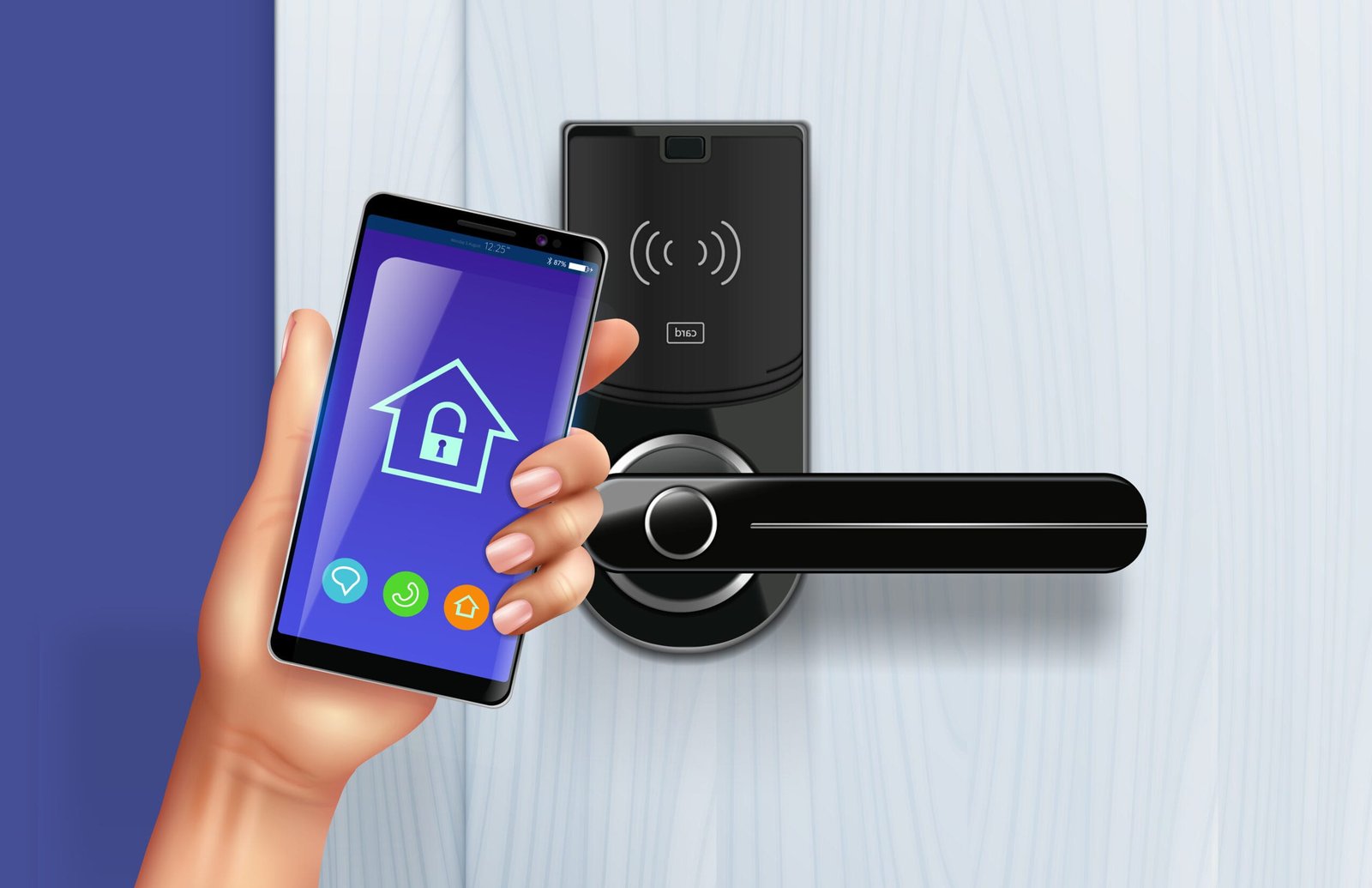
One of the most valuable features of modern security systems is remote access through mobile applications.
Homeowners can now control their entire security setup using their smartphones.
With mobile apps, users can:
Lock or unlock doors remotely
View live security camera feeds
Receive instant alerts
Control alarms and sensors
Monitor activity logs
This level of control allows homeowners to stay connected to their property at all times.
Remote monitoring has become one of the most demanded features in smart home security systems.
9. Voice-Controlled Security Systems
Voice assistants are now becoming part of home security management.
Many smart home systems can integrate with voice assistants, allowing users to control devices through voice commands.
Examples include:
Locking doors
Activating security modes
Turning on lights
Checking camera feeds
Voice control makes security systems easier and faster to operate, especially for elderly users.
As voice technology improves, it will become a standard feature in many smart homes.
10. Smart Lighting for Security
Smart Home Security Trends for 2026: The Future of Safer Living 3
Lighting plays a surprisingly important role in home security.
Smart lighting systems can automatically activate when motion is detected around your property.
This helps:
Deter intruders
Improve nighttime visibility
Enhance outdoor security
Many smart lighting systems can also simulate occupancy when homeowners are away.
For example, lights may turn on and off at different times, creating the appearance that someone is home.
This simple strategy significantly reduces the risk of break-ins.
11. Package Theft Protection Technology
With the rise of online shopping, package theft has become a major concern.
New smart security solutions now focus on protecting deliveries.
Technologies include:
Smart parcel boxes
Camera-integrated doorbells
Delivery detection alerts
These systems notify homeowners when packages arrive and record anyone approaching the delivery area.
Package protection is quickly becoming a major focus of home security innovation.
12. DIY Smart Security Systems
Another growing trend is DIY home security systems.
Unlike traditional systems that require professional installation, modern security devices are designed for easy setup.
Homeowners can install devices such as:
Smart cameras
Door sensors
Digital locks
Video doorbells
within minutes.
DIY systems are becoming popular because they are:
Affordable
Flexible
Easy to upgrade
This trend is making smart security accessible to millions of households.
13. Cybersecurity for Smart Homes
As homes become more connected, cybersecurity is becoming just as important as physical security.
Hackers may attempt to access connected devices if proper protections are not in place.
Modern smart security systems now include:
Data encryption
Secure authentication
Two-factor verification
Automatic firmware updates
These measures ensure that smart home devices remain safe from digital threats.
14. Energy-Efficient Security Devices
Energy efficiency is also influencing home security technology.
Many smart security devices now use:
Low-power sensors
Rechargeable batteries
Energy-efficient processors
This ensures devices can operate for months without needing frequent battery replacements.
Energy-efficient security solutions are becoming increasingly important for sustainable smart homes.
How to Choose the Right Smart Home Security System
With so many options available, choosing the right system can feel overwhelming.
Here are some important factors to consider:
1. Security Needs
Identify the main risks you want to address.
2. Device Compatibility
Choose devices that work together in a unified system.
3. Ease of Installation
DIY systems are ideal for many homeowners.
4. Mobile App Control
Remote monitoring is essential for modern security.
5. Budget
Invest in reliable devices that provide long-term value.
Final Thoughts: The Future of Smart Home Security
The way we protect our homes is changing rapidly.
The smart home security trends of 2026 show that the future of home protection lies in intelligent systems that combine convenience, automation, and advanced technology.
From AI surveillance cameras to biometric digital locks, these innovations are making homes safer than ever before.
For homeowners looking to upgrade their security, now is the perfect time to explore modern smart security solutions.
Investing in smart security today means enjoying greater safety, better control, and peace of mind for years to come.
FAQ – Smart Home Security Trends
What is the best smart home security system in 2026?
The best systems combine digital locks, AI cameras, sensors, and mobile monitoring for complete protection.
Are smart home security systems safe?
Yes, modern systems use encryption and secure authentication to protect data and prevent unauthorized access.
Do smart security systems work without internet?
Many systems can still function locally, but internet access is required for remote monitoring and cloud storage.
Are digital locks secure for homes?
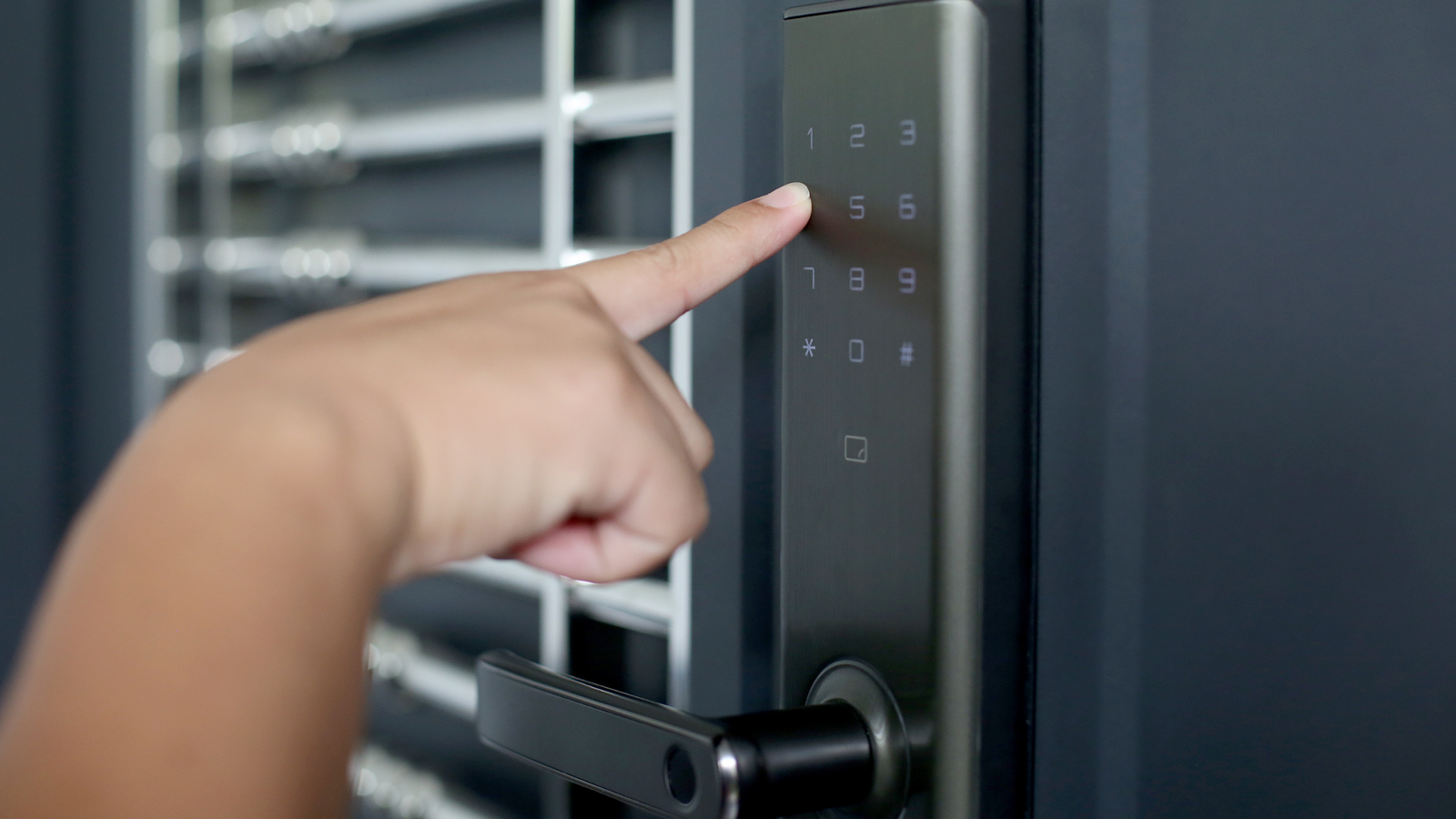
Yes, digital locks provide advanced authentication methods such as fingerprints, PIN codes, and mobile access.
Home security is no longer just about a sturdy door and a mechanical lock. With the rise of smart home technology, choosing between smart locks and traditional locks can be a bit overwhelming. Let’s break down the features, benefits, and ideal use cases for both. 1. What Are Traditional Locks? Traditional locks include deadbolts, padlocks, and mortise locks that require a physical key. They’re known...
Discover why smart locks are transforming home security in India. This guide simplifies your choice, offering key features and tailored recommendations for every living space.
In today's fast-evolving security landscape, understanding the importance of locks is essential. Discover the types, trends, and best practices for safeguarding your property.
Why Homeowners Are Switching to Yale Digital Locks If you’ve ever worried about losing your keys, getting locked out, or wondering whether you remembered to lock the door, it might be time to rethink your home security. Enter digital locks — the modern, keyless solution to protecting your space. Unlike traditional locks, digital locks operate using electronic systems like keypads, Bluetooth, or smart apps. They’re...
Yale Digital Locks are a modern twist on traditional door locks. Instead of turning a key, you tap a touchscreen, enter a PIN, or activate your phone. Gone are the days of hunting for keys—digital locks usher in an era of effortless entry. These locks rely on secure technologies like AES encryption, RFID, or Bluetooth Low Energy, giving homeowners peace of mind and convenience. Typical...
Smart Home Door Locks: The Upgrade Your Home Deserves At Studio79Hardware.com, we’ve seen firsthand how Indian households are evolving. Traditional key-based locks are slowly being replaced by smart door locks — and not just for the tech-savvy. More families, professionals, and business owners are now upgrading for security, convenience, and peace of mind. As authorized distributors of Yale Smart Locks and other premium hardware solutions,...
Explore cutting-edge security solutions for your home or business. Yale’s advanced locking systems ensure safety, convenience & peace of mind. Since 2007



 by
by